Moving to Utah in 2026? The Ultimate Relocation Guide
Moving to Utah in 2026? The Ultimate Relocation Guide
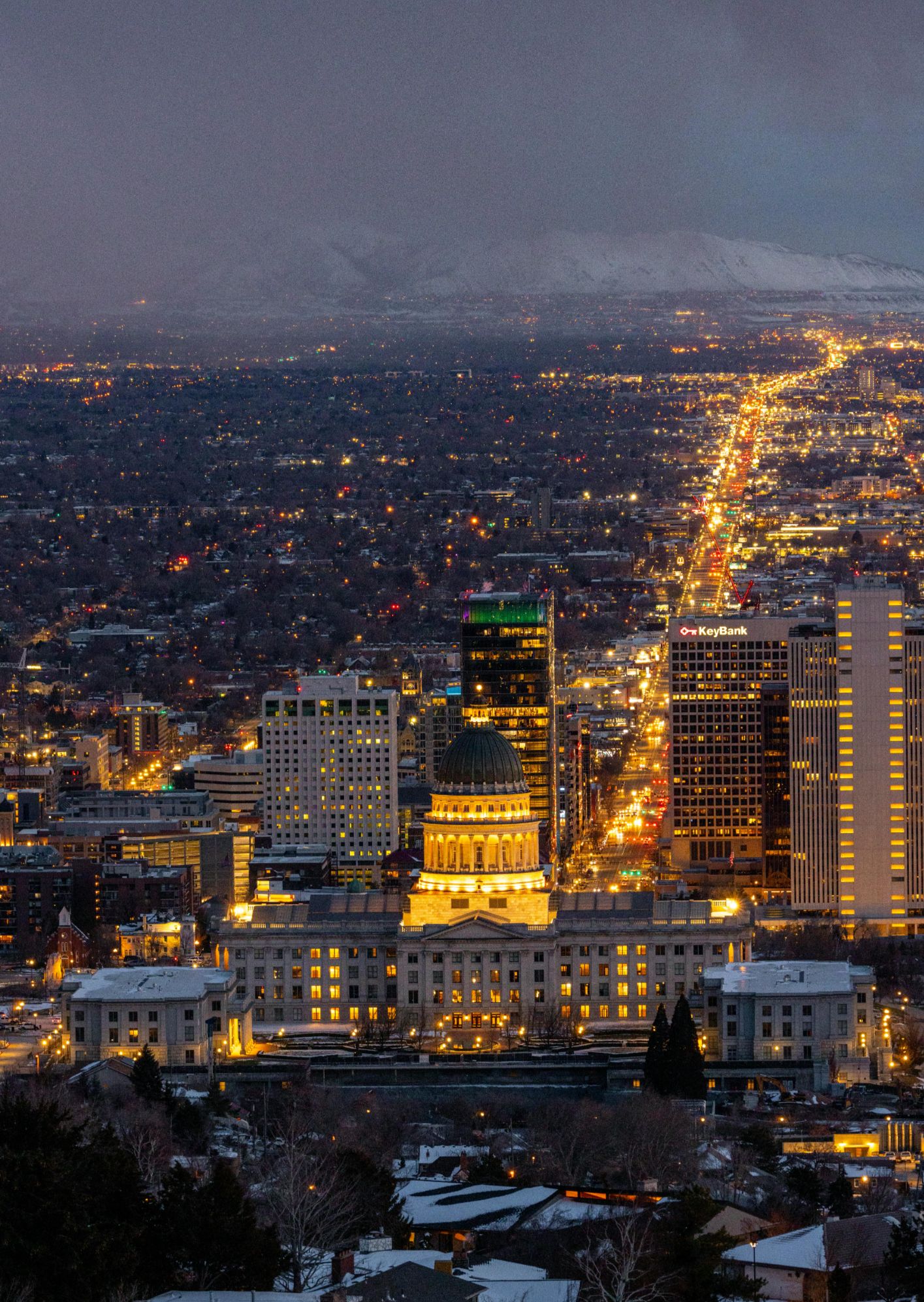
So, you’re thinking about moving to Utah in 2026. You aren't alone. With our world-class skiing, booming "Silicon Slopes" tech sector, and family-friendly culture, Utah remains one of the top relocation destinations in the United States.
But relocating is about more than just packing boxes. You need to know where to land. Should you choose the urban energy of Salt Lake County or the family-centric vibe of Utah County? And what is the truth about the "inversion"?
As a local relocation expert, I have helped countless families make the transition. Here is your ultimate guide to life on the Wasatch Front.
Terry’s Take: Your Boots on the Ground
"Relocating across state lines is daunting, especially when trying to decode local nuances like the 'inversion' or navigating our unique property tax exemptions. My job is to be your boots on the ground. Whether it's steering you toward the right school district in Utah County or doing live FaceTime tours of homes 'above the bench' in Salt Lake, I make sure you know exactly what you're buying before you ever pack a box."
Salt Lake County vs. Utah County: The Vibe Check
The biggest decision you will make is which valley to call home. They are connected by I-15, but they feel very different.
- Salt Lake County (The Urban Hub): If you want walkability, nightlife, diversity, and a 15-minute drive to the International Airport, look here. Cities like Sugar House, Millcreek, and Sandy offer a mix of historic charm and urban amenities.
- The South Valley (The Suburban Sweet Spot): If you want the newer construction and family focus of Utah County, but need to stay in Salt Lake County for your commute, the southwest corner is booming. Master-planned communities in Herriman and South Jordan offer incredible amenities, larger lots, and immediate access to the Mountain View Corridor.
- Utah County (The Family Core): Located south of the "Point of the Mountain," this area (Lehi, Provo, Orem) is younger and centered around family life. It is the heart of the tech boom, making Lehi and Highland top choices for tech workers who want newer schools and larger lots.
The Education Landscape: Open Enrollment & Charters
For families relocating with children, education is usually the number one priority. Utah is highly unique because it is an "open enrollment" state. This means your child is not strictly bound by their neighborhood boundary lines—you can apply to have them attend any public school in the district, provided there is space. Furthermore, Utah boasts an incredibly robust and highly-rated charter school system (focusing on STEM, arts, or dual-language immersion), giving parents incredible flexibility to find the perfect educational fit for their kids.
New for 2026: Taxes & Cost of Living
One of the biggest draws for out-of-state buyers is our tax-friendly environment. 2026 brings even better news for your wallet.
- Income Tax Drop: Utah has lowered its flat income tax rate to approximately 4.50%. Unlike California's tiered system where high earners pay more, everyone in Utah pays the same low rate.
- The "Primary Residence" Exemption: This is a massive perk for homeowners. In Utah, if you live in your home full-time, you are only taxed on 55% of its assessed market value. This keeps property taxes significantly lower than the national average.
The "Inversion" & Air Quality
If you have Googled Utah, you have probably read about the "Inversion." Because our valleys are shaped like bowls, cold air (and pollution) can get trapped in the winter, usually for a few weeks in January.
Pro Tip: Many locals choose to live "Above the Bench." Neighborhoods at higher elevations—like Bountiful, Draper, or Alpine—often sit above the haze layer, enjoying blue skies while the valley floor is cloudy.
Beyond the Slopes: Year-Round Recreation
While Utah is famous for the "Greatest Snow on Earth," the locals will tell you they came for the winters but stayed for the summers. Living on the Wasatch Front means you are within a four-hour drive of the "Mighty 5" National Parks (Zion, Bryce Canyon, Arches, Capitol Reef, and Canyonlands). Closer to home, summer weekends are spent boating at Jordanelle Reservoir, hiking the hundreds of miles of trails in the Cottonwood Canyons, or enjoying outdoor concerts at Red Butte Garden.
Lifestyle: Yes, You Can Get a Drink!
Liquor laws are a common concern for newcomers, but they are much simpler than the rumors suggest.
- Grocery Stores: You can buy beer (up to 5% ABV) and seltzers at any grocery store, seven days a week.
- Dining: Salt Lake City has a thriving food scene with award-winning bars and restaurants. You can order a drink with your meal at any restaurant.
- State Stores: For wine and high-point liquor, you simply visit a state-run liquor store (closed on Sundays).
Conclusion
Moving to a new state is overwhelming, but you don't have to do it alone. I specialize in video previews for out-of-state clients—I can walk through a home on FaceTime so you can see the layout and the neighborhood before you ever book a flight.
Planning a move in 2026?
Contact Terry Thompsontoday to receive my free "Relocation Neighborhood Guide."
Frequently Asked Questions
What is the primary residence property tax exemption in Utah?
If you live in your home full-time, you are only taxed on 55% of the property's assessed market value, keeping your property taxes significantly lower than the national average.
Where is the best place to live in Utah to avoid the winter inversion?
To avoid the winter inversion, many locals prefer to live "Above the Bench." Cities at higher elevations like Bountiful, Draper, and Alpine often sit above the haze layer.
What is the difference between Salt Lake County and Utah County?
Salt Lake County is the urban hub with more nightlife and proximity to the airport. Utah County is the heart of the "Silicon Slopes" tech boom and features a younger, family-centric lifestyle.
Categories
Recent Posts








GET MORE INFORMATION